
Review · REGGAE & BOB MARLEY TOURS
The Official Nine Mile Bob Marley Museum Guided Tour
One house can tell you a lot. This Nine Mile Bob Marley Museum tour pairs a calm, respectful visit to Marley’s childhood residence with clear, local storytelling about roots and culture. I love the chance to walk the small, simple house where he lived as a kid, and I love that you also get access to museum artifacts like original records, awards, and instruments. One thing to consider: it’s a short stop at the museum itself, so if you’re expecting hours inside the site, plan for extra day time from hotel pickup.
You’ll be guided by an English-speaking Rastafarian guide who keeps the focus on context—Jamaica’s music, the philosophy behind the songs, and why Nine Mile still feels sacred. The tour is set up for a private group, with round-trip transport and refreshments, so it feels less like a rushed checklist and more like a curated day.
If you’re tight on time and want more than a 75–90 minute museum visit, this may feel brief—though the overall trip can be longer depending on where you start from in Jamaica (Falmouth or Montego Bay).
In This Review
- Key things you’ll notice on this tour
- Nine Mile, St. Ann Parish: why the childhood house experience matters
- Hotel pickup from Falmouth or Montego Bay: planning the time
- Walking the childhood home: what the guided route actually feels like
- Museum artifacts: original records, awards, and instruments
- Murals, documentary moments, and the story behind the sound
- Photo stop and scenic time: how the route on the way back works
- Refreshments and comfort: the small inclusions that reduce hassle
- Skip-the-line entry: saving time at the place you care about
- Price and value: is $190 per person reasonable?
- Who this tour fits best (and who should rethink it)
- Should you book the Nine Mile Bob Marley Museum guided tour?
- FAQ
- How long does the Nine Mile Bob Marley Museum guided tour take?
- Where does pickup happen for this tour?
- Is the tour private or shared?
- What language is the tour guide?
- What transportation is included?
- What’s included besides the guided museum visit?
- Is there time for photos or shopping?
- Is the museum tour wheelchair accessible?
Key things you’ll notice on this tour
- A childhood-home walk-through in Nine Mile, from the small house experience to the grounds tied to Marley’s life
- Museum artifacts such as original records, awards, and instruments, shown as part of the story
- Rastafarian guide storytelling centered on roots, culture, and meaning behind the music
- Skip-the-line entry, so you spend more time where it counts
- Hotel pickup with private round-trip transport, including a white Toyota van with blue Jerubajamaicatours markings
- Refreshments on the way, including soft drinks, bottled water, and rum punch
Still deciding? Line this one up against a few Montego Bay favourites first.
- Falmouth: Jungle River Tubing & Bamboo Beach Club with Lunch★ 3.8 · 20 reviews
- From Falmouth: Horseback Ride and Swim Beach Trip★ 4.3 · 10 reviews
- From Montego Bay: Luminous Lagoon Nighttime Boat Tour★ 4.2 · 7 reviews
- Jamaica: Bamboo Rafting on the Martha Brae★ 4.7 · 3 reviews
Nine Mile, St. Ann Parish: why the childhood house experience matters
Nine Mile is one of those places that doesn’t need spectacle. It’s the real address of a real life, and that changes how you pay attention. When you enter the area connected to Bob Marley’s childhood home, you’re not just looking at a celebrity brand—you’re stepping into a preserved space where the details (scale, simplicity, arrangement) carry meaning.
The museum tour is designed to protect the sanctity of the residence. Marley lived there from 1975 until his passing in 1981, and the whole visit is framed around that timeline rather than turning it into a loud attraction. For me, the value is in the restraint: you don’t get a theme-park pace. You get a guided path that helps you understand why this place still matters to people in Jamaica and beyond.
If you’re a music person, you’ll feel the difference between listening to songs and seeing the environment that shaped the people behind them. And if you’re not a music superfan, you’ll still walk away with a clearer sense of how Jamaica’s identity and worldview show up in the rhythms and messages.
Hotel pickup from Falmouth or Montego Bay: planning the time
This is not a “meet at the site and figure it out” kind of trip. You get private round-trip transportation with pickup from your hotel, villa, or even the airport. Two pickup options are offered: Falmouth and Montego Bay, and drop-off returns you to those same areas.
What I like about this setup is that it protects your day. You’re not coordinating public transport, and you’re not doing the stressful thing where you miss the tour start because you’re stuck in traffic. The tour includes a white Toyota van with blue company markings for Jerubajamaicatours, and you’ll want to be ready in the hotel lobby about 10 minutes before your scheduled pickup time.
One practical note: the museum visit is about 75–90 minutes, but the full day can be longer once you factor in drive time. In one booking example shared for the experience, the ride was about two hours each way, making the day noticeably longer than the museum duration alone. So when you book, I’d plan your schedule around a full outing, not just a quick museum stop.
Also, the tour is a private group, so you’re less likely to get dragged around by other people’s pacing. And because it’s guided in English with a live guide, you won’t have to rely on reading panels and guessing what matters most.
Walking the childhood home: what the guided route actually feels like
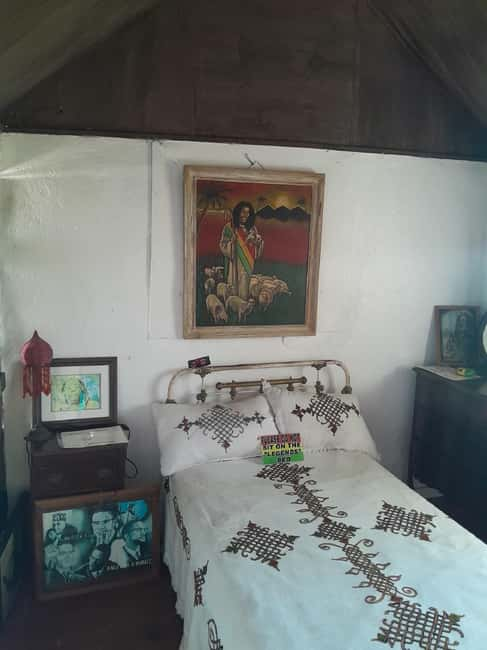
The heart of the experience is straightforward: you walk through the small, simple house where Marley lived as a child. That matters because a lot of museum visits about famous people focus on what happened later. Here, you’re pulled back to the early environment—where roots and routine were part of the foundation.
In a tour like this, the guide’s job is crucial. You’re not just moving from room to room; you’re getting the context that turns spaces into story. The tour moves through the grounds and keeps the focus on what you’re seeing: how the residence fits into Marley’s life, and how the meaning of the place connects to the music and the philosophy that grew from it.
This also tends to feel respectful rather than theatrical. The visit is structured to preserve authenticity and keep the atmosphere calm. That’s a good thing for most people, but it’s also worth noting if you’re the type who likes nonstop action. This isn’t a sprint. It’s a guided walk with time to take it in.
Museum artifacts: original records, awards, and instruments
After you get grounded in the residence experience, the tour shifts to the tangible items that help you understand Marley’s creative world. The highlights include original records, awards, and instruments connected to his music life.
Why I think this is valuable: artifacts anchor memory. Listening to reggae or reading about Marley gives you ideas. Seeing items like original records and instruments gives you something physical to attach those ideas to. It also helps you understand influence in a more concrete way—especially if you’re the kind of person who likes to connect the sound to the craft.
There’s also a small but meaningful benefit to having a guide handle the interpretation. Instead of you reading and guessing, you’re getting explanations about roots and culture—how objects relate to the bigger story. That turns a museum moment into a learning moment without requiring you to be an expert.
If you care about music history details, this portion is where you’ll likely slow down and look longer. Even if you’re more casual, the guide can help you place what you’re seeing into the broader narrative.



Murals, documentary moments, and the story behind the sound
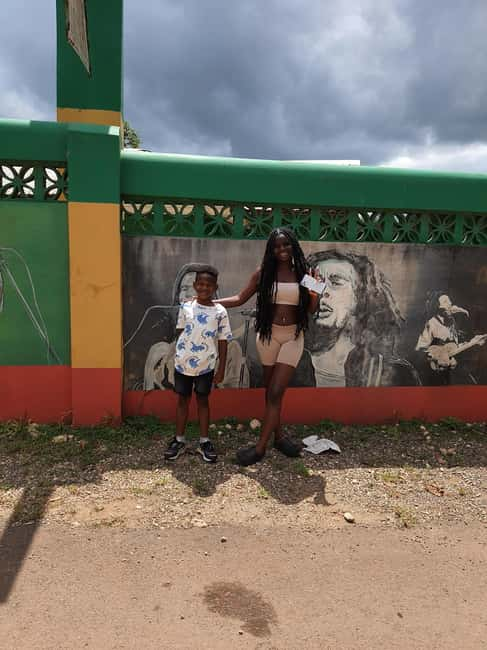
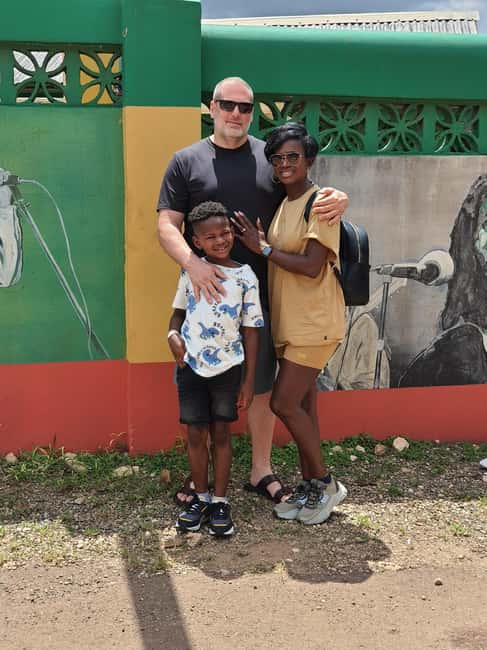
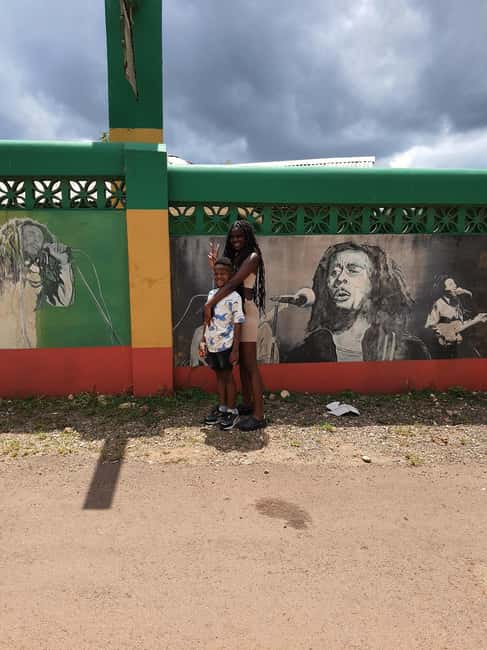
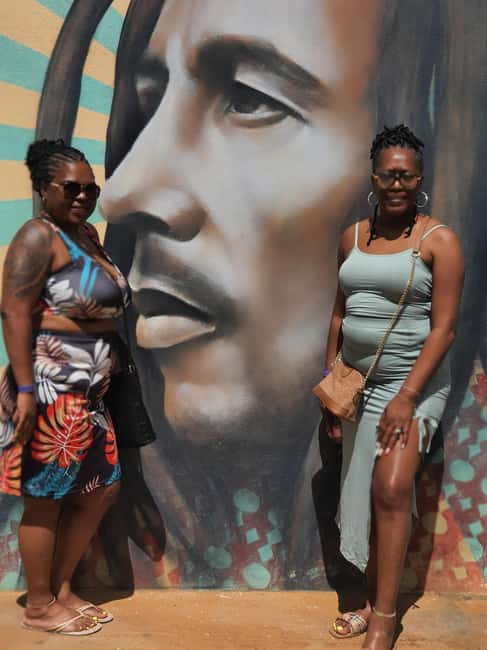
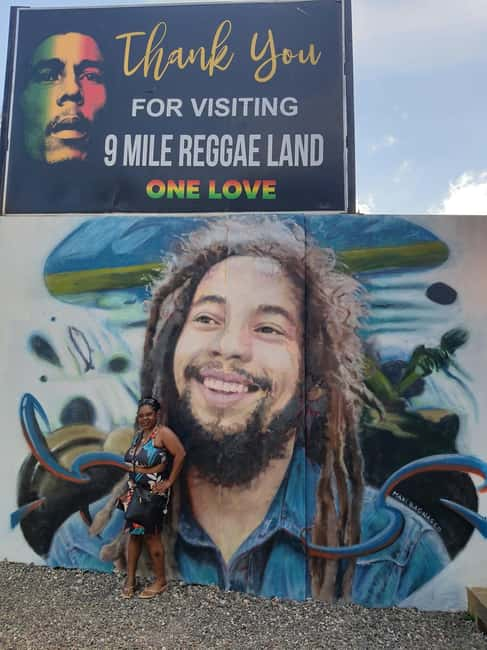
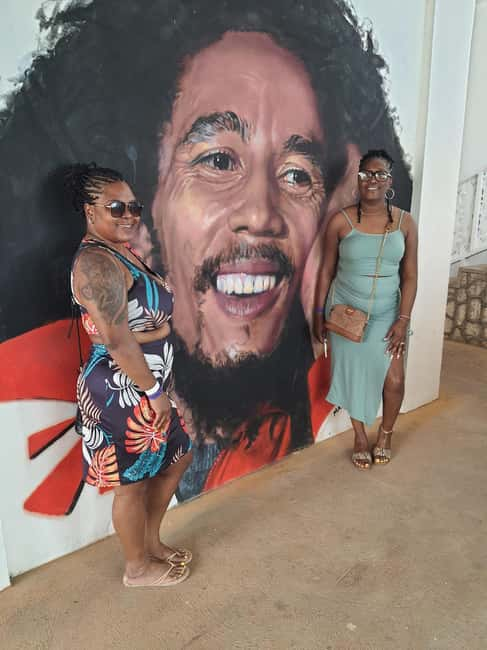
The tour doesn’t stop at rooms and objects. You’ll also encounter guided storytelling tied to what you see around you, plus murals and documentary elements included in the experience.
This combination works well because it gives you multiple ways to understand the same idea. A mural is visual language. A documentary is narrative language. The guide is meaning language—putting both into context so it doesn’t feel random.
One of the best parts of these kinds of guided museum tours is that they help you avoid the common problem: staring at images and wondering what they’re supposed to mean. Here, the guide is specifically there to connect the dots between place, philosophy, and reggae.
Also, the fact that the guide is Rastafarian matters. You’re hearing interpretations rooted in local perspective, not just academic summaries. That’s what makes the experience feel authentic rather than packaged.
Photo stop and scenic time: how the route on the way back works
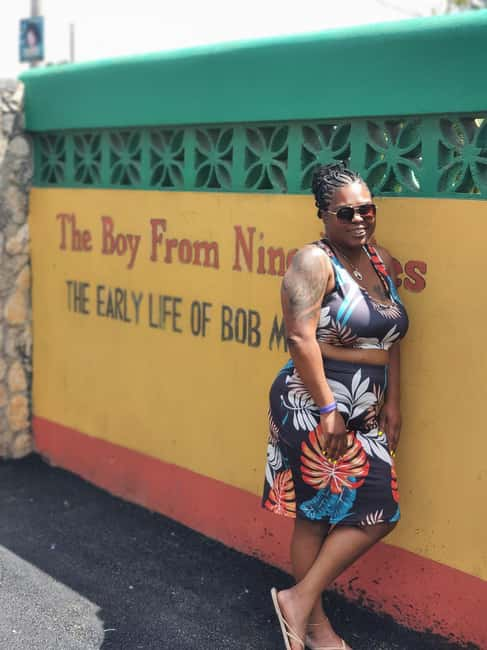
Your day isn’t only about museum time. There’s also time built in for photo stops, shopping, and scenic views on the way. The schedule includes:
- a photo stop plus free time
- shopping and time for scenic views en route
This is where you can control your own pace. If you want a few photos, you’ll have the window. If you’d rather browse and stretch your legs a bit, that’s built in too. It’s the kind of balance that helps you enjoy the day without feeling like you’re stuck in a car the whole time.
The practical downside is that if you’re strongly focused on the museum only, the extra time can feel like a distraction. But for most people, it’s a chance to experience the area around St. Ann Parish at a human pace—and to pick up small keepsakes without rushing.
Refreshments and comfort: the small inclusions that reduce hassle
Food plans can wreck a tour if you’re not ready. Here, the experience helps you out with included refreshments: soft drinks, bottled water, and rum punch.
Even if you don’t drink alcohol, having bottled water on hand is genuinely useful in Jamaica heat. And having a drink included means you don’t have to hunt for something quickly before you get back in the van.
The transport is also described as comfortable and organized, with pickup and drop-off in the same two main areas. That reduces stress and lets you focus on the visit.
The rum punch inclusion is a nice touch, but it’s also one more reason to keep your timing and energy in check. If you’re doing photos after, you’ll want to pace it.
Skip-the-line entry: saving time at the place you care about
This tour includes skip the ticket line access. That matters more than it sounds. When you’re working with a fixed museum visit window (about 75–90 minutes), wasting time waiting makes the experience feel shorter and more rushed.
Skip-the-line entry is one of those quiet value adds that improves how the tour feels. You arrive, you start, and you spend your limited time on the parts you actually came for: the house walk-through, the artifacts, and the guide-led storytelling.
Price and value: is $190 per person reasonable?
At $190 per person, this isn’t the cheapest way to see Nine Mile. But it also isn’t priced like a bare-bones transport ticket. You’re paying for several bundled elements:
- private round-trip transportation from your chosen area (Falmouth or Montego Bay)
- a live guided tour in English
- skip-the-line entry
- refreshments (soft drinks, bottled water, and rum punch)
- a private group experience
So the value question depends on your priorities. If you’d otherwise pay separately for transport, guide interpretation, and on-site time, the package starts to make sense. For a single traveler, it can still feel steep, but a private guide experience is usually not priced like budget group tours.
Also, the guide is a key part of the payoff. The museum is small and meaningful, but the meaning is hard to pull from objects alone. You’re paying to have a local Rastafarian guide connect place to roots and culture—especially around Marley’s childhood home and the artifacts tied to his music life.
If you’re the kind of person who likes to travel with a driver handling logistics, $190 can feel like paying for peace of mind. If you prefer doing everything independently, you may feel the cost is higher than the value you personally place on guided interpretation.
Who this tour fits best (and who should rethink it)
This tour is a strong match if you want:
- a private day with a guide who connects the dots
- the chance to walk through the childhood home in Nine Mile
- a structured visit that includes artifacts like records, awards, and instruments
- a calmer, respectful atmosphere rather than a chaotic crowd scene
- English-language guidance without guessing your way through the museum
It’s also a good fit for people who appreciate practical logistics: hotel pickup, a known vehicle, and skip-the-line entry.
You might want to reconsider if you only want museum time and hate any additional stops. You could also feel that the price is high if you’d rather spend your money on multiple short experiences rather than one guided cultural visit with transportation included.
And because it’s listed as wheelchair accessible, it can work for travelers who need that kind of practical support, as long as you arrange your logistics with the pickup details in mind.
Should you book the Nine Mile Bob Marley Museum guided tour?
If your plan includes Nine Mile anyway, I’d take this guided option seriously. The core reason is simple: the tour isn’t just about walking past a house—it’s about understanding what you’re seeing. With a Rastafarian guide, skip-the-line access, private transport, and included refreshments, you’re buying both time savings and interpretation.
Book it if you want a respectful, well-paced visit that makes Marley’s childhood home feel connected to the music and philosophy that followed. I’d especially recommend it for first-timers to Jamaica who want a guided experience that feels grounded in the actual place.
Hate waiting and want everything organized? This fits. If you’re on a strict budget or only care about being at the museum for a quick photo, you may prefer another approach.
FAQ
How long does the Nine Mile Bob Marley Museum guided tour take?
The museum tour itself runs about 75 to 90 minutes.
Where does pickup happen for this tour?
Pickup is available from either Falmouth or Montego Bay, and the description also notes pickup from your hotel, villa, or airport.
Is the tour private or shared?
It’s listed as a private group.
What language is the tour guide?
The tour is offered in English.
What transportation is included?
Round-trip private transportation is included, using a white Toyota van with blue company markings for Jerubajamaicatours.
What’s included besides the guided museum visit?
The tour includes transportation, a guided tour, skip-the-line entry, and refreshments like soft drinks, bottled water, and rum punch.
Is there time for photos or shopping?
Yes. The plan includes a photo stop, free time, shopping, and scenic views on the way.
Is the museum tour wheelchair accessible?
The activity is listed as wheelchair accessible.
Just Added: New Falmouth Jamaica Reviews




Reggae & Bob Marley Tours, compared.
 ★ 5.0Rastafari Cultural ATV Community Experience from Montego BayFrom $1641,959 reviews
 ★ 4.0Reggae Catamaran and Snorkeling Open Bar Cruise Montego BayFrom $125453 reviews
 ★ 4.5Bob Marley’s Nine Mile Admission and Guided Tour from Montego BayFrom $135350 reviews
 ★ 5.0Bob Marley Museum Full Day Tour from Montego bayFrom $230124 reviews
 ★ 5.0Jamaica Culture Tour: Culinary, Cultural, History and DanceFrom $94116 reviews
 ★ 4.0Montego Bay Reggae Sunset Catamaran CruiseFrom $12599 reviews
 ★ 3.8Reggae Catamaran 18+ Cruise with Open BarFrom $12587 reviews
 ★ 4.5Riu Reggae/Riu Montego Bay/Riu Palace Private Airport TransferFrom $1648 reviews
Browse the lists this tour appears in