Review · MONTEGO BAY
Discover Scuba Diving in Montego Bay
Go from land legs to reef wonder.
This Discover Scuba intro in Montego Bay turns first-timers into confident, check-your-bubbles-at-every-step beginners, starting with a safety talk and guided gear setup before you even get near the water. What I like most is the structure: you learn basics in a controlled setup first, then your instructor decides if you’re ready to move on to a shoreline session. One more plus: the group is capped at 8 travelers, so you get real attention instead of floating in a crowd.
The second thing I like is the coaching style—patient, hands-on, and focused on whether you’re okay, not just whether you can follow commands. The course is also designed so the skills you practice can carry forward into PADI training if you want to continue later. The only real drawback to weigh is the overall cost versus what you’ll spend on the day: wetsuit rental isn’t included, and even lunch is a bit unclear in the package details, so I’d plan to confirm those two items before you budget.
In This Review
- Key things to know before you go
- Meet at Sunset Beach Resort and Head to the Real Training Spot
- The Controlled Skills Stage: Where First-Timers Gain Control Fast
- Your Instructor Decides When You’re Ready for the Shoreline Session
- Marine Life on the Caribbean Coast: What You’ll Actually See
- What You Pay for: Price, Included Gear, and the Stuff to Budget
- Crew Help and Safety Rules That Matter for First-Timers
- Who Should Book This Intro Scuba Session in Montego Bay
- Should You Book Discover Scuba in Montego Bay?
- FAQ
- How long is the Discover Scuba program in Montego Bay?
- What time does the experience start?
- Where do I meet for this activity?
- Will I get hotel pickup and drop-off?
- Is this for certified divers?
- What happens during the training?
- Do I automatically get the shoreline underwater portion?
- What’s included in the price?
- Is lunch included?
- Who isn’t recommended to participate?
Key things to know before you go
- Small group size (max 8): you’ll get closer guidance and more chances to ask questions
- Two-phase format: controlled skills first, then a shoreline session if you’re ready
- Instructor stays with you: safety focus throughout, with check-ins as you progress
- Caribbean reef life up close: colorful marine life from the shore area
- Equipment is covered: snorkel and scuba gear are included, with wetsuit rental available
- First-timer friendly: suitable for uncertified beginners with a required adult for teens
Worth weighing up before you book this Montego Bay trip:
- Discover Scuba Diving in Montego Bay-ONE Tank (First time Diving)★ 5.0 · 27 reviews
- Discover Scuba Diving in Montego Bay★ 4.5 · 3 reviews
Meet at Sunset Beach Resort and Head to the Real Training Spot
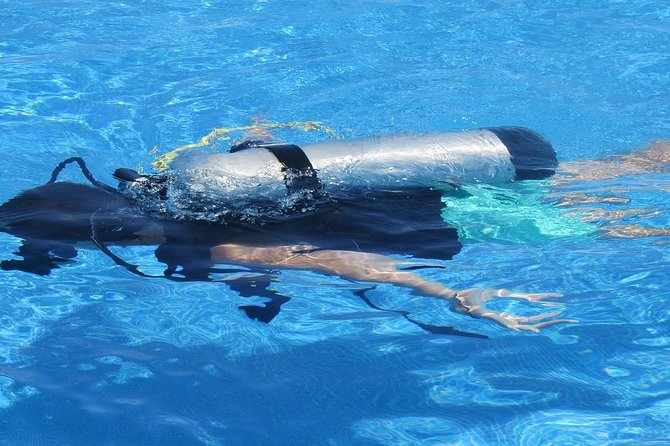
Your 3-hour intro kicks off early. Start time is 7:30 am, with pickup arranged from local hotels (and the activity ends back at the same meeting point). The meeting point listed for the experience is Sunset Beach Resort, Spa & Waterpark in Montego Bay, and the tour company is Express Travel Jamaica.
Here’s how the day actually starts to feel: the first stop is not the ocean view postcard moment. You begin at the Sunscape Splash Resort launching area for the course. From there, you’ll meet the master instructor, do a safety orientation, and get outfitted. This matters because scuba comfort starts with the boring stuff: fitting gear correctly, learning how to breathe through the regulator, and understanding what to do if something feels off.
If you’re staying in a nearby hotel, this is straightforward. But if you’re off on your own and counting on taxi math, keep in mind that pickup/drop-off is only from local hotels. The schedule is also tight enough that you’ll want to be on time—this is not a slow “meet whenever” style excursion.
The Controlled Skills Stage: Where First-Timers Gain Control Fast
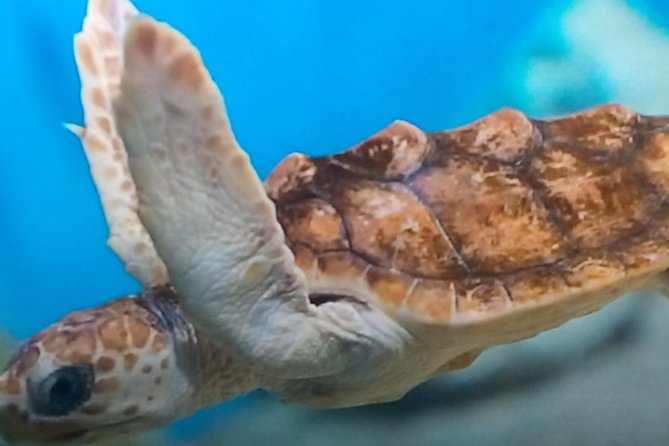
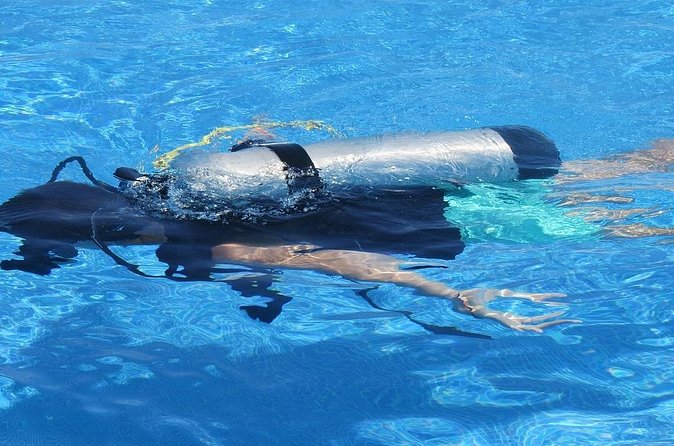
The course is built for people who are uncertified or first-time and may be nervous before their first breath underwater. You’ll learn scuba basics in a controlled area that’s described as similar to a pool. In other words, the goal isn’t impressing anyone. The goal is getting your body and brain used to the equipment and routines.
Expect the instructor to guide you through core movements and basic techniques, with you staying in a safer, contained environment before anything open-water or shoreline happens. This kind of step-by-step training is valuable because it turns scuba from a scary unknown into a set of actions you can actually perform.
A practical detail: you’re not expected to magically “get it” instantly. One of the strongest signals from past participants is how helpful and patient the crew is, especially for true newbies. That supportive approach is the difference between learning and panic. If you tend to overthink, this controlled stage is exactly where you can loosen your grip on fear and focus on the steps.
Your Instructor Decides When You’re Ready for the Shoreline Session
After you master the basics, the next stage depends on you. The instructor decides whether you’re ready to move on to the second phase: a shore diving-style session (a shoreline underwater experience) at a different location.
The advantage here is practical: you don’t get sent underwater just because the clock says so. You earn the transition by handling the skills first. And when you do reach that second phase, the setup is described as offering better views and more chance to see colorful Caribbean marine life up close.
One caution: this means your final experience depends on your comfort level that day. That’s not a negative—good instructors manage risk—but it can feel disappointing if you were hoping for a guaranteed shoreline segment. If you’re anxious, don’t hide it. The whole point is to use the training phase to build comfort with the help of the team.
Marine Life on the Caribbean Coast: What You’ll Actually See
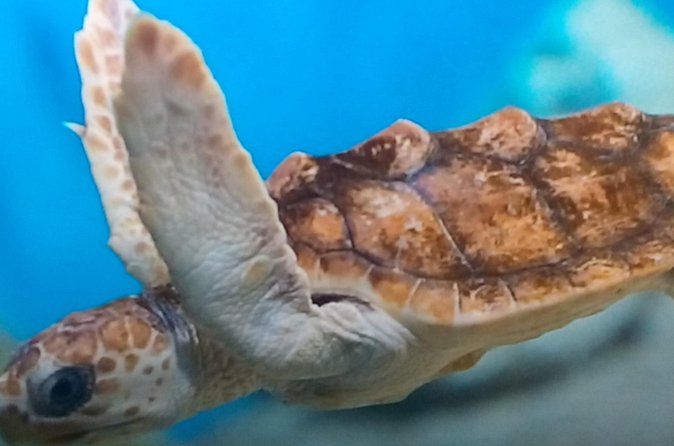
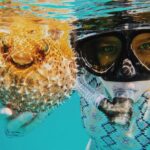
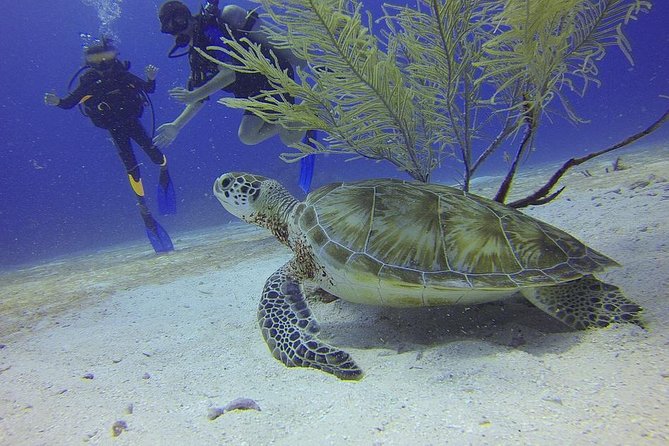
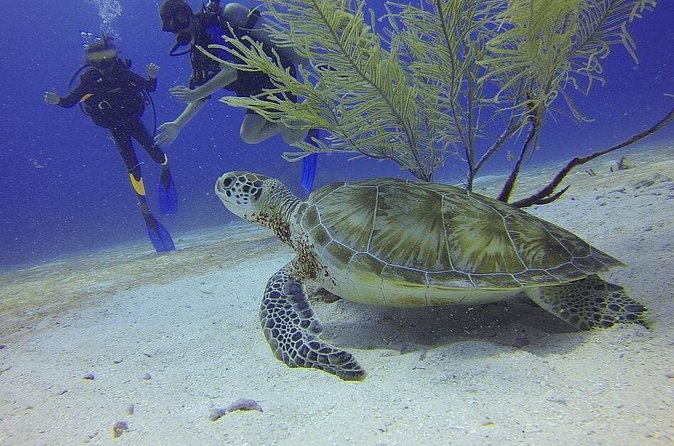
The highlight isn’t a specific species list—it’s the feeling of being close to Caribbean reef life. The course includes a shoreline underwater experience where you can view colorful marine life from nearby, with your instructor staying right there with you.
This “close and personal” approach is why this type of intro course is worth it even if you don’t become a regular diver afterward. You get the real ocean moment without needing months of preparation. And because the second phase is tied to your readiness, you’re more likely to actually enjoy what you see rather than focusing only on technique.
One extra thing to keep expectations realistic: not every shoreline spot will feel like a blockbuster. Past experiences have included sites that were described as okay, with the real value landing in the guidance and comfort level. So if you’re going for rare-sighting perfection, you might feel like it’s just a solid start. If you’re going to build confidence and see reef life up close, you’ll probably feel it as a win.


What You Pay for: Price, Included Gear, and the Stuff to Budget
The price is $338.32 per person, typically booked about 25 days in advance, and the duration is listed as about 3 hours. On paper, that can sound pricey. In practice, the value depends on what you compare it to: you’re paying for instructor time, a structured skills program, safety oversight, and included equipment.
What’s included:
- Use of snorkel and dive equipment
- A professional guide and instructor support during the course
- Environmental Management Charge (Reef Tax)
- Hotel pickup/drop-off from local hotels
- A mobile ticket
What’s not included (or at least not clearly settled across the package notes):
- Lunch is listed as not included in the itemized section, even though the overview describes lunch as part of the package. I’d treat this as a confirmation-needed item when you book.
- A wetsuit is not included, but you can rent it at the site
To get the best value out of this course, I’d budget a little flexibility for wetsuit rental and be ready to confirm lunch details. That keeps you from arriving expecting free food and then needing to scramble.
Also note: the listing says a strong physical fitness level is recommended. If you’re generally healthy but not sure about stamina, plan for a short, active morning rather than a relaxed stroll.
Crew Help and Safety Rules That Matter for First-Timers
This program is very safety-forward, and that’s a big part of why people seem to have a good time. The instructor provides safety orientation, helps with outfitting, stays with you throughout the experience, and there’s a required health questionnaire before you go in. It’s also not recommended for people with heart complaints or other serious medical conditions, and you’re told to ask your doctor if you’re medically fit.
There are a few other rules that shape the experience day:
- If you’re flying soon, diving within 48 hours of flying is not recommended.
- If you’re under 17, a parent or guardian must be present.
- You’ll want to be prepared for a form-based check-in process, because some pre-existing conditions (examples given include asthma and heart conditions) may prevent you from participating.
Why this matters in real life: good safety screening prevents you from feeling pressure to “push through” when your body isn’t ready. And the crew vibe seems to support nervous first-timers. In particular, the name Wayne shows up in strong feedback about being amazing and helping a very nervous first-timer persevere. Another note praised the crew’s helpfulness and constant check-ins once the underwater part began. The overall theme is simple: you’ll be treated like a beginner, not an obstacle.
One more practical point from the course design: it’s capped at 8 travelers, which makes it easier for staff to monitor gear fit, breathing comfort, and confidence level.
Who Should Book This Intro Scuba Session in Montego Bay
This is a smart choice if:
- You want a first-time scuba experience without certification
- You’d rather learn basics in a controlled setup than jump straight into the ocean
- You want an option that can lead into PADI training later, using the skills you practice here
- You like a small-group atmosphere with close instructor support
You might want to skip or delay if:
- You have a heart complaint or other serious medical concerns (ask your doctor)
- You’re not comfortable meeting the health questionnaire requirements
- You’re within 48 hours of flying
- You’re not physically ready for a short active training morning
Also, if you’re a cruise passenger, you’ll need to provide details like ship name, cabin number, docking time, disembarkation time, and re-boarding time. That’s normal, but it does mean you’ll want your travel info organized before booking.
Should You Book Discover Scuba in Montego Bay?
I think this is worth booking if you’re a true beginner who wants structure, safety, and a team that takes your comfort seriously. The small group size, the two-phase learning approach, and the repeated praise for patient support (including Wayne) are exactly what you want when you’re nervous.
Just go in with one budgeting mindset: confirm lunch and plan for wetsuit rental if you need it. And if you’re sensitive to health restrictions, handle that early with the questionnaire and doctor guidance.
If you want a confidence-building introduction to seeing Caribbean marine life up close, this Montego Bay Discover Scuba course is a solid way to do it in about 3 hours, without needing a certification beforehand.
FAQ
How long is the Discover Scuba program in Montego Bay?
It lasts about 3 hours.
What time does the experience start?
It starts at 7:30 am.
Where do I meet for this activity?
The meeting point listed is Sunset Beach Resort, Spa & Waterpark in Montego Bay.
Will I get hotel pickup and drop-off?
Yes, hotel pickup and drop-off are included, but only from local hotels. The activity ends back at the meeting point.
Is this for certified divers?
No. It’s designed for uncertified or first-time divers.
What happens during the training?
You’ll start with a safety orientation and gear outfitting, then learn basic scuba skills in a controlled area similar to a pool.
Do I automatically get the shoreline underwater portion?
No. After the basics, your instructor decides whether you’re ready for the second phase at the shoreline location.
What’s included in the price?
Included items list snorkel and dive equipment, a professional guide, Reef Tax (Environmental Management Charge), and instructor support.
Is lunch included?
The overview says lunch is included, but the itemized details also state lunch is not included. I recommend confirming lunch with the provider when booking.
Who isn’t recommended to participate?
It’s not recommended for participants with heart complaints or other serious medical conditions. A health questionnaire is required, and you’re advised to ask a doctor if you’re medically fit for scuba activities.