
Review · REGGAE & BOB MARLEY TOURS
Rastafari Indigenous Village Tour
A steam walk brings you straight into the story. The Rastafari Indigenous Village tour from Montego Bay is built around real people and real practice, with a guided visit that helps you understand Rastafarianism where it grew. I love the way local Rastafarians lead the experience and answer questions in plain, human terms.
My second big win is the ride. In Montego Bay, getting from cruise port or your hotel to a more cultural stop can be hit-or-miss, but this one includes an air-conditioned vehicle and a private experience for just you and your party. Even the drive can add value, and my driver Kevin made the trip feel less like a transfer and more like part of the learning.
One consideration: you do have to cross a small stream area to reach the village. Bring water shoes and accept you might get a little wet, and also know this experience depends on good conditions.
In This Review
- Key highlights worth planning around
- Rastafari Indigenous Village Tour in Montego Bay: what you’re really signing up for
- Getting there in comfort: hotel or cruise pickup that actually helps
- The “small stream” crossing: the simple gear choice that prevents problems
- Inside the village: guided learning, fresh fruit, and about 30 minutes of drumming
- Shopping for village-made facial products and souvenirs
- How long it lasts and what that means for your day in Montego Bay
- Price and value: why $310 can make sense for the right traveler
- Who this private tour fits best (and who might want a different plan)
- Weather matters: what “good weather” means in practice
- Should you book the Rastafari Indigenous Village tour?
- FAQ
- Where is this tour offered?
- How long does the Rastafari Indigenous Village tour take?
- What’s included in the tour price?
- Do I get to hear drumming and chanting?
- Do I need water shoes?
- Is food or drink provided during the visit?
- Are there souvenirs or products to buy?
- What should I bring for the tour?
- Is this a private tour?
- What if the weather isn’t good?
Key highlights worth planning around
- Steam-to-village footwear tip: you’ll walk/hop across a small stream area, so wear shoes that dry fast
- Local guided context: you’re not watching from the outside; you’re guided by Rastafari community members
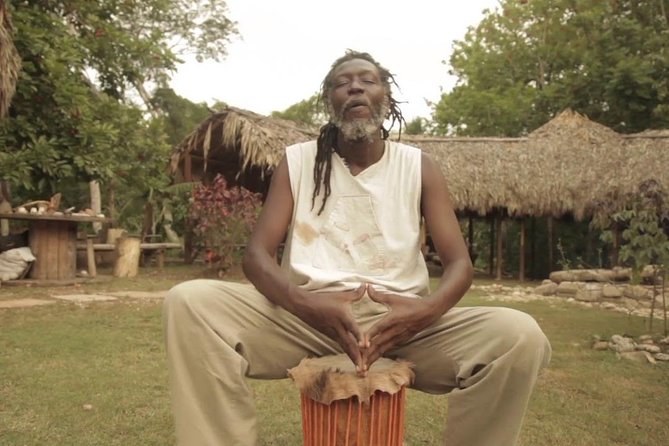
- About 30 minutes of Congo drumming and chanting: a focused, memorable segment instead of a long performance
- Fresh fruit and fruit juices included: small but meaningful for an on-site cultural stop
- On-site facial products and souvenirs: you can shop for items produced in the village
- Private transfers from Montego Bay: hotel or cruise port pickup in an A/C vehicle
Still chasing the riddim? More Marley and roots
- Rastafari Cultural ATV Community Experience from Montego Bay★ 5.0 · 1,959 reviews
- Reggae Catamaran and Snorkeling Open Bar Cruise Montego Bay★ 4.0 · 453 reviews
- Bob Marley’s Nine Mile Admission and Guided Tour from Montego Bay★ 4.5 · 350 reviews
- Jamaica Culture Tour: Culinary, Cultural, History and Dance★ 5.0 · 116 reviews
Rastafari Indigenous Village Tour in Montego Bay: what you’re really signing up for
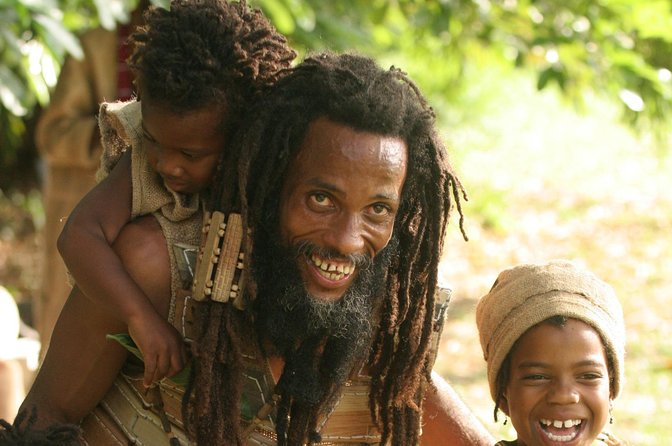
This tour is for you if you want culture that feels lived-in, not staged for a check-list. The Rastafari Indigenous Village visit is designed to explain Rastafarianism with context you can carry into the rest of your Jamaica trip. You’re not just hearing facts. You’re meeting community members, walking through their space, and taking in music and daily life elements that connect spirituality, identity, and community.
The setting also matters. You get taken from your pickup point in Montego Bay to the village, then you move at a human pace once you arrive. That is key. It’s how you notice the little things that make the experience feel authentic: how your guide speaks, how people interact, how the village tour flows, and what gets shown when you ask questions.
And yes, there’s music. You’ll be treated to about 30 minutes of real Congo drumming and chanting. It’s not an all-afternoon show. It’s a defined moment that gives you something to hold onto. For many people, that’s the part that makes the whole experience click.
Getting there in comfort: hotel or cruise pickup that actually helps
Transfers included is more than convenience. In Montego Bay, you can easily waste time coordinating your own ride, figuring out pickup spots, or losing momentum before the tour even starts. Here, you get picked up from your Montego Bay hotel or the cruise port and travel by air-conditioned vehicle.
That matters because it keeps the day calm. You’re not sweating through stress. You’re arriving with energy for the walk, the guided tour, and the shopping time at the end.
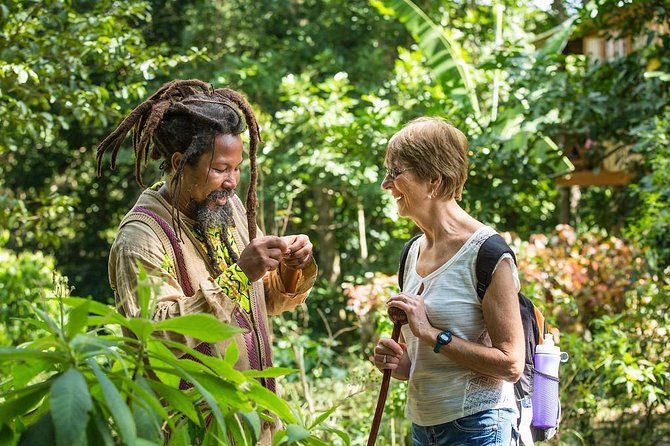
Also, this is a private experience for just you and your party. That changes the vibe. You can ask questions without feeling like you’re interrupting a crowd, and the pacing tends to feel more personal. In my case, my driver Kevin was friendly and accommodating, and he added history during the drive. That kind of framing makes the village tour land better, because you arrive with a bit more context.
The “small stream” crossing: the simple gear choice that prevents problems
Here’s the practical part people forget until it’s too late. To reach the village, you have to walk across a small stream area. The tour description is clear about it, and the advice is consistent: wear sandals or water shoes that dry quickly.
I’d treat this as a non-optional packing detail. If you wear sneakers that soak up water, you’ll likely spend the rest of the tour in uncomfortable shoes. If you hate the feeling of wet feet, water shoes help you stay calm and keep moving.
Pack like this:
- Bring water shoes or sandals with good grip
- Consider a spare pair of socks if you’re picky about comfort
- Keep an eye on the ground after rain, since the stream area could feel different depending on conditions
This isn’t about being tough. It’s about being comfortable enough to enjoy the guided portion without worrying about your footwear.
Inside the village: guided learning, fresh fruit, and about 30 minutes of drumming
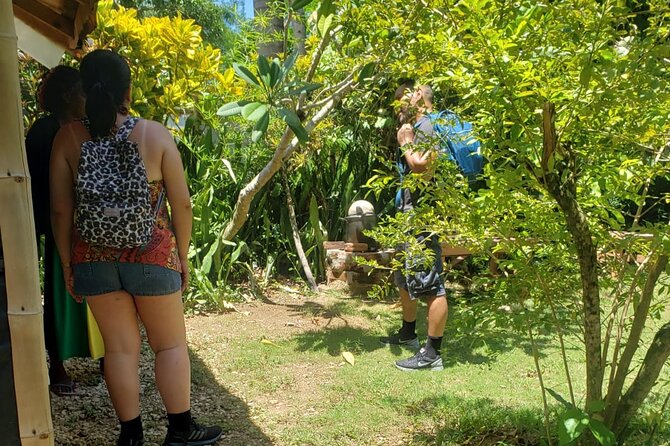
Once you arrive, you’ll be met by friendly guides. The village tour is where the value really shows. You’ll get a guided explanation tied to Rastafari life and beliefs. It’s designed to help you understand more than just terminology. You learn how community members interpret the world, why certain practices matter, and how identity is expressed in everyday life.
The tour also includes food and drink in a small, thoughtful way. You’ll have samples of fresh fruits and fresh fruit juices available. This is the kind of detail that seems minor, but it adds a lived-in feel. It also gives you a quick break while you’re there, so you don’t feel like you’re running on empty during the walking and listening.
Then comes the performance moment: about 30 minutes of real authentic Congo drumming and chanting. The timing is a sweet spot. It’s long enough to feel meaningful, but not so long that you get restless. The drumming and chanting are also the kind of cultural expression that gives you an emotional handle on what you’re learning intellectually.
If you care about respectful watching, this part is where it helps to pay attention. Don’t just film from afar. Listen. Let the guide’s context shape what you notice.


Shopping for village-made facial products and souvenirs
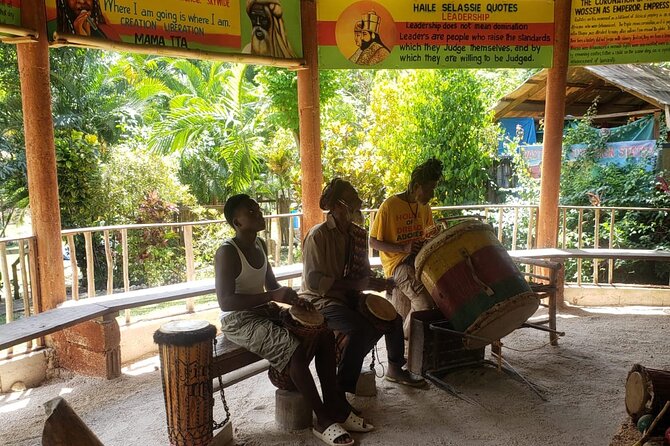
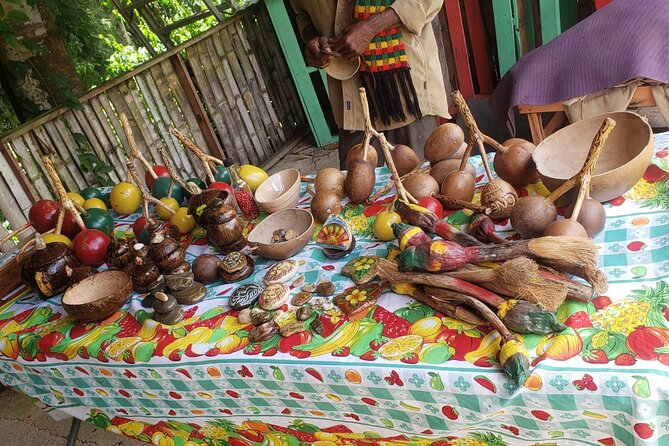
At the end of the visit, your guide takes you to see the various facial products and souvenirs made in the village. This is your chance to support the community directly with purchases that are tied to what you experienced.
A practical heads-up: bring cash. The tour info specifically recommends it, and that usually means payment options may be simpler for on-site items than for cards. If you’re the type who plans to buy souvenirs only with a card, you’ll want to adjust here.
Also, bring a camera if you want photos. The tour recommends it, and being able to capture moments is useful, especially when the experience includes both guided learning and music.
When you shop, keep your focus on the reason you’re buying. This stop is part cultural connection, part community support. If you go in expecting a discount mall vibe, you’ll be disappointed. If you go in as a visitor who wants to take something home with meaning, you’ll enjoy it more.
How long it lasts and what that means for your day in Montego Bay
The duration is listed as about 2 to 4 hours. That range usually reflects travel time plus the village portion. Inside the experience, the admission ticket for the village is about 1 hour.
So plan your day with buffer time. If you’re on a cruise, you’ll want to think about the full window you have from port arrival to departure, because transfers and walking add up. If you’re starting from a hotel, you still need time for pickup timing and getting everyone together.
This is not a half-day mega-excursion. It’s a focused cultural stop. That’s good value if you want something more meaningful than a drive-by photo stop, but you still want freedom afterward.
The private nature is another reason this tour fits well into a busy itinerary. You don’t need to coordinate with strangers or wait for a big group rhythm.
Price and value: why $310 can make sense for the right traveler
At $310 per person, this is not a budget excursion. But price isn’t just about what you pay. It’s about what you receive relative to your time, comfort, and access.
Here’s what you’re buying:
- Private transportation in an air-conditioned vehicle from Montego Bay hotel or cruise port
- Admission to the Rastafari Indigenous Village
- Guided tour inside the village
- Fresh fruit and fresh fruit juices
- About 30 minutes of Congo drumming and chanting
- Time at the end for on-site facial products and souvenirs
- A mobile ticket system
When that package comes together, the higher price can feel justified, especially if you care about guided context and want a more personal experience. For solo travelers, it might feel steep, but for couples or small groups, private transfers plus admission plus guided programming can be easier to justify.
One more value point: this tour is typically booked about 28 days in advance on average. That suggests it’s not one of those last-minute add-ons people ignore. If you know you want it, locking it in earlier is smart.
Who this private tour fits best (and who might want a different plan)
I think this works best for you if:
- You want culture and learning, not just photos
- You like having a guide explain context as you go
- You value music as part of understanding a place
- You prefer private transfers instead of shared shuttles
It may be less ideal if:
- You hate short, structured tours and would rather wander independently
- You’re very limited on mobility or comfort with walking/hopping across a small stream area
- You want a long performance or a full-day itinerary (this is more focused and time-efficient)
That stream crossing note isn’t about danger, but it is about comfort and gear. Bring the right shoes and you’ll likely be fine.
Weather matters: what “good weather” means in practice
The experience is noted as requiring good weather. That usually comes down to safety and comfort, especially for the walk across the small stream area. If conditions are rough, the provider may cancel and offer a different date or a full refund.
So if you’re scheduling this around rain-heavy days, keep a little flexibility in your calendar. And if you can choose, pick a day when Montego Bay looks cooperative.
Should you book the Rastafari Indigenous Village tour?
Yes, if your goal is cultural context with real community touchpoints. The guided visit, the fresh fruit and juices, and the about-30-minutes of Congo drumming and chanting make it feel like more than an excursion that passes by quickly. Add the comfort of A/C private transfers from your hotel or cruise port, and you get a day that’s easier to manage than many “culture” tours.
Skip it, or at least reconsider if:
- You’re not comfortable with the stream crossing and don’t want to bring water shoes
- Your schedule is extremely tight and you can’t handle a 2 to 4 hour window
- You’re looking for a low-cost option
My bottom line: if you want a respectful, guided introduction to Rastafari life in a village setting, this tour is a strong match. Just pack the footwear, bring some cash for shopping, and give the drumming segment your full attention.
FAQ
Where is this tour offered?
It’s in Montego Bay, Jamaica, with pickup from your Montego Bay hotel or the cruise port.
How long does the Rastafari Indigenous Village tour take?
The duration is approximately 2 to 4 hours, with the village admission ticket stop listed as about 1 hour.
What’s included in the tour price?
Included are an air-conditioned vehicle and private transportation, the admission ticket for the village, and the village guided tour experience with fresh fruit/fruit juices and drumming and chanting.
Do I get to hear drumming and chanting?
Yes. You’ll be treated to about 30 minutes of Congo drumming and chanting.
Do I need water shoes?
Yes. You have to walk across a small stream area to reach the village, so the tour recommends sandals or water shoes that dry quickly.
Is food or drink provided during the visit?
Fresh fruits and fresh fruit juices are available during the village stop.
Are there souvenirs or products to buy?
Yes. At the end, you’ll see facial products and souvenirs produced in the village, and you’ll have time to purchase.
What should I bring for the tour?
The tour suggests bringing water shoes, cash, and a camera.
Is this a private tour?
Yes. It’s private, and only your group will participate.
What if the weather isn’t good?
The experience requires good weather. If it’s canceled due to poor weather, you’ll be offered a different date or a full refund.
Roots, Reggae and Marley


Just Added: New Montego Bay Reviews
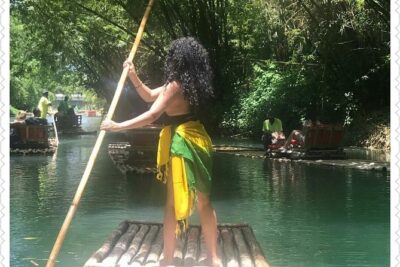

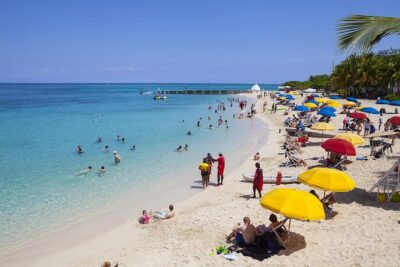
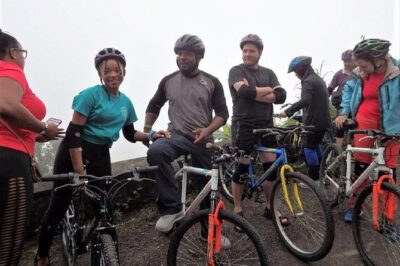
Reggae & Bob Marley Tours, compared.
 ★ 5.0Rastafari Cultural ATV Community Experience from Montego BayFrom $1641,959 reviews
 ★ 4.0Reggae Catamaran and Snorkeling Open Bar Cruise Montego BayFrom $125453 reviews
 ★ 4.5Bob Marley’s Nine Mile Admission and Guided Tour from Montego BayFrom $135350 reviews
 ★ 5.0Bob Marley Museum Full Day Tour from Montego bayFrom $230124 reviews
 ★ 5.0Jamaica Culture Tour: Culinary, Cultural, History and DanceFrom $94116 reviews
 ★ 4.0Montego Bay Reggae Sunset Catamaran CruiseFrom $12599 reviews
 ★ 3.8Reggae Catamaran 18+ Cruise with Open BarFrom $12587 reviews
 ★ 4.5Riu Reggae/Riu Montego Bay/Riu Palace Private Airport TransferFrom $1648 reviews
Browse the lists this tour appears in