
Review · REGGAE & BOB MARLEY TOURS
Rastafari Indigenous Village Tour
One stream crossing changes the whole mood. This private day tour to a Rastafari Indigenous Village pairs Congo drumming and chanting with very practical lessons on Rastafari customs, music, and medicinal herbs.
I also love that you get breathing room to go at your own pace, instead of getting pushed through like a checklist. You’ll be met by friendly guides, hear real music, and have time for a meditative labyrinth walk.
One thing to plan for: you’ll need good weather, and you should bring water shoes since you have to hop/walk across a small stream to reach the village.
With hotel pickup and drop-off, an air-conditioned vehicle, and an admission ticket included, this feels like a straightforward way to experience something deeply local in about six hours.
In This Review
- Key Highlights You’ll Care About
- Rastafari Indigenous Village: Why This Feels More Than a Sightseeing Stop
- Hotel Pickup and Air-Conditioned Comfort From Montego Bay
- Shoes for the Stream Crossing: What to Wear and Why It Matters
- Congo Drumming and Chanting: The Part That Sets the Tone
- The Meditative Labyrinth Walk: Calm Time in the Middle of a Tour Day
- Medicinal Herbs and Rastafari Teachings With Village Guides
- Fresh Fruit, Juice, and Village Food Moments
- Handmade Facial Products and Souvenirs Made On-Site
- Price and Value: Is $250 for a Private Six-Hour Tour Reasonable?
- Who Should Book This Tour (and Who Might Skip It)
- Should You Book This Rastafari Village Tour?
- FAQ
- How long is the Rastafari Indigenous Village tour?
- What does the tour cost?
- Is hotel pickup and drop-off included?
- What should I bring for the stream crossing?
- Is the tour admission included?
- Is this tour private?
- What happens if the weather is poor?
Key Highlights You’ll Care About
- Hotel pickup and drop-off for a low-stress start and finish in Montego Bay
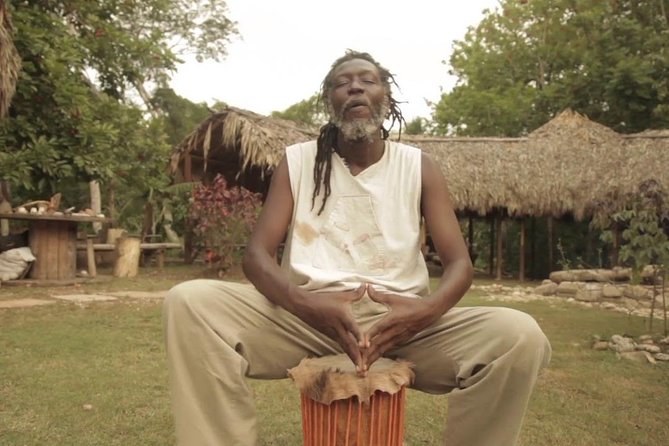
- 30 minutes of Congo drumming and chanting to anchor the culture lesson
- Water shoes needed for the stream crossing to get to the village
- Fresh fruit and juice to keep you comfortable while you explore
- Medicinal-herb teachings and Rastafari customs shared by village guides
- Handmade facial products and souvenirs produced right on-site
Still chasing the riddim? More Marley and roots
- Rastafari Cultural ATV Community Experience from Montego Bay★ 5.0 · 1,959 reviews
- Reggae Catamaran and Snorkeling Open Bar Cruise Montego Bay★ 4.0 · 453 reviews
- Bob Marley’s Nine Mile Admission and Guided Tour from Montego Bay★ 4.5 · 350 reviews
- Jamaica Culture Tour: Culinary, Cultural, History and Dance★ 5.0 · 116 reviews
Rastafari Indigenous Village: Why This Feels More Than a Sightseeing Stop
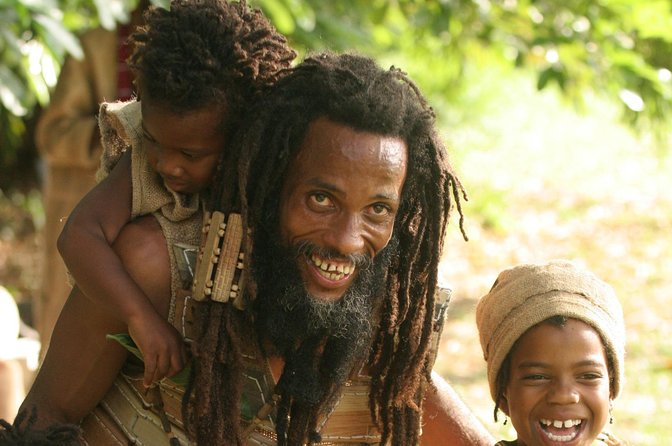
This tour works because it’s built around people, not just photo ops. You arrive at the village and get met by local Rastafarians who guide the experience in a way that feels daily-life grounded. Instead of racing from one landmark to the next, you get time to absorb what you’re being shown and ask questions as you go.
What I like most is how the cultural side isn’t treated like a performance. You’re learning about Rastafari movement and customs, and the guide’s explanations connect music, herbs, and everyday teaching. That’s the stuff that tends to stick after you’re back in Montego Bay.
Also, the presence of ritual elements—like the drumming/chanting and the meditative labyrinth walk—adds a rhythm to the visit. Even if you’re not used to this kind of spiritual framing, you can still enjoy the atmosphere and take it in at a calm pace.
Hotel Pickup and Air-Conditioned Comfort From Montego Bay
The logistics here are refreshingly simple. You get hotel pickup and drop-off, plus private transportation in an air-conditioned vehicle. That matters because the day can feel long enough already at about six hours total, and you don’t want travel fatigue cutting into your focus.
There’s also a small but helpful practical detail: you’ll receive a mobile ticket, which makes entry smoother once you’re there. If you’re traveling with a group or want the day to run on your terms, the private setup helps—this is only for your group, not a big shared scramble.
If you’re the type who likes your day to feel organized (even when it’s cultural and offbeat), this part will feel like good value.
Shoes for the Stream Crossing: What to Wear and Why It Matters
You can’t ignore the footwear reality on this one. To get to the village, you walk across a small stream—described as needing you to hop/walk across—so you need sandals or water shoes that dry quickly.
Here’s the practical advice: wear something you don’t mind getting damp, and avoid shoes that take forever to dry. Jamaica’s weather can move fast, and if your footwear stays soaked, you’ll feel it for the rest of the visit.
If you’ve got any mobility concerns, treat this as your “check the steps” moment. Most travelers can participate, but the stream crossing is the main physical consideration mentioned, so plan accordingly.
Congo Drumming and Chanting: The Part That Sets the Tone
One of the tour’s best assets is the guaranteed music moment. You’ll be treated to about 30 minutes of real authentic Congo drumming and chanting. This isn’t just background sound—it’s the event that pulls the culture lesson together.
Drumming and chanting do something practical: they slow your brain down. Even if you’re trying to follow every detail the guide explains, the rhythm helps you stay present. It’s also an easy highlight to look forward to because you know it’s part of your time at the village, not something you might miss.
If you’re into music, you’ll likely come away thinking about how sound connects to teaching in the Rastafari tradition. If you’re less musical, it can still feel grounding—like a live anchor in the middle of the day.


The Meditative Labyrinth Walk: Calm Time in the Middle of a Tour Day
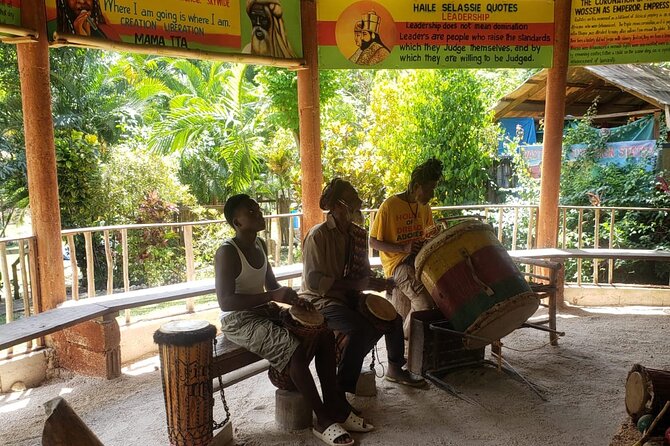
Another standout for me is the chance to walk the meditative labyrinth. That’s not a typical add-on on many day trips, and it changes how the tour feels. Instead of only listening and shopping, you get a physical, slow-paced activity that encourages quiet focus.
You can go at your own pace on this private tour, and that helps a lot here. Labyrinth walking works best when you aren’t being hurried—so if you like structured relaxation, this is one of those moments that can genuinely rebalance a busy itinerary.
Even if you don’t consider yourself a spiritual traveler, you can treat the labyrinth as a mindful reset. Take a breath, walk slowly, and let the rest of the village teaching settle in around you.
Medicinal Herbs and Rastafari Teachings With Village Guides
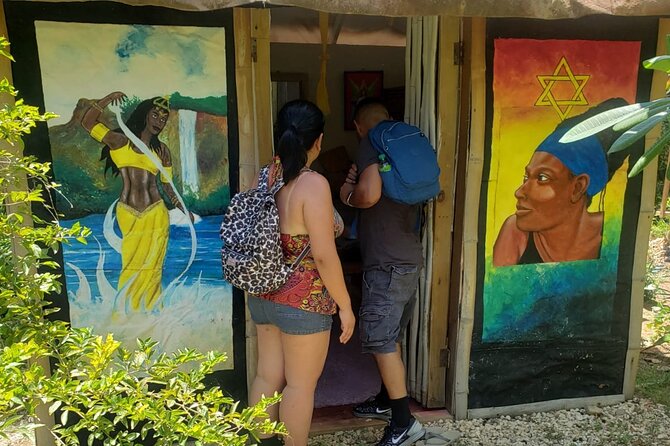
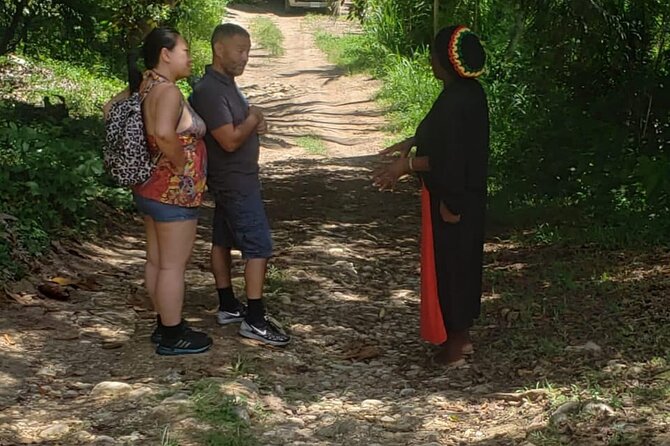
The cultural lesson isn’t just theory. You’ll learn about the Rastafari movement and customs, and the guides share how these teachings connect to herbs and medicinal use. In fact, one of the strongest impressions from past visitors is the way the tour explains medicinal herbs alongside Rastafari culture and teachings.
That blend matters. “Culture” can sometimes mean vague gestures or surface explanations, but here you’re getting grounded information—enough to make you curious and ask better questions. If you’re the kind of traveler who likes to understand why something is practiced, this format will likely click.
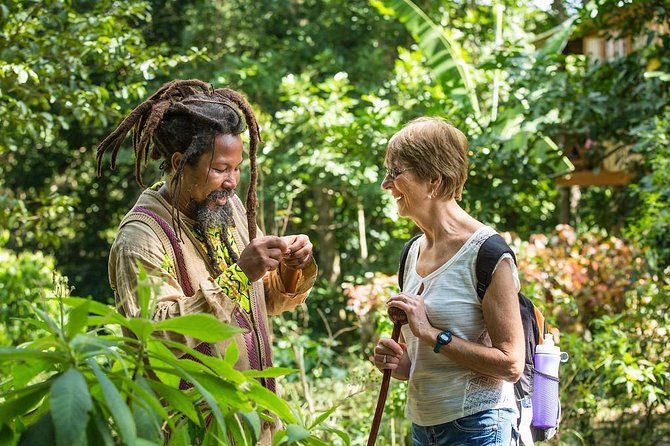
In reviews, guides connected to the experience include Queen I and her brother. If they’re the ones leading your day, you can expect a warm, personal style of sharing. I’d recommend you ask simple questions like: what’s used, how it’s used, and what it represents—because the answers tend to be where the real meaning lives.
Fresh Fruit, Juice, and Village Food Moments
Food on cultural tours should feel like a pause, not a rushed snack. Here, you’ll have fresh fruit and fresh fruit juices available as part of the visit, which is a smart choice for a day that includes walking and a stream crossing.
Fresh fruit and juice help in two ways. First, they keep your energy steady while you’re exploring. Second, they give you a more “everyday” connection to the place, rather than turning the village meal into something overly formal.
Some groups also mention eating the village food and being treated to a concert experience. Even when that part varies by day and timing, the overall pattern stays the same: you’re not just looking at Rastafari culture—you’re experiencing it through music and food rhythms during your time there.
Handmade Facial Products and Souvenirs Made On-Site
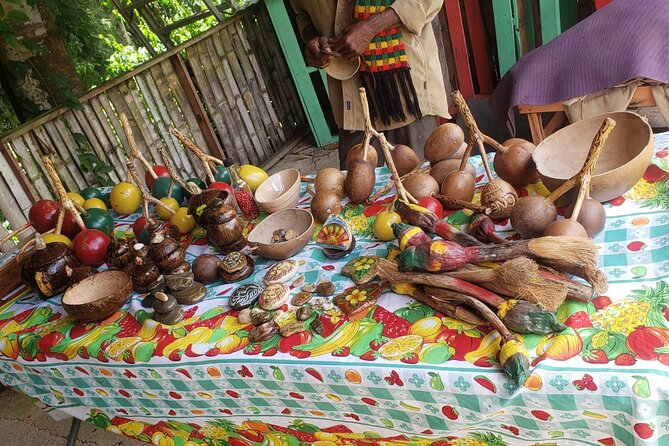
At the end of the visit, your guide takes you to see the various facial products & souvenirs produced right there in the village. This is worth thinking about before you pull out your wallet, because the point isn’t only shopping—it’s understanding what you’re buying.
I like this setup because it gives you a reason to stop and engage. If you’re interested in natural products, this portion is where you can connect the dots between the herb teachings and what the village makes. And if you just want a souvenir, you’ll still come away with something that feels tied to the place, not mass-produced.
If you do buy something, treat it as appreciation. Ask how it’s made and what it’s used for—those small conversations often end up being the most memorable part of the “shopping” part of a tour.
Price and Value: Is $250 for a Private Six-Hour Tour Reasonable?
At $250 per person, this tour isn’t a budget impulse buy. But when you look at what’s included, it starts to make more sense.
You’re paying for:
- Hotel pickup and drop-off (so you’re not wrestling transport on a schedule)
- Private transportation in an air-conditioned vehicle
- Admission/entry fees to the Rastafari Indigenous Village
- A guided experience that includes the village visit, music time, and cultural explanations
- Refreshments like fresh fruit and fruit juice
For a private tour, price often reflects time, staffing, and access. Here, you’re getting a guided entry into a specific place with hands-on cultural moments, plus that stream-crossing “only once you’re there” logistics.
So the value question becomes: do you want a private, guided, music-and-teaching focused village experience with conveniences built in? If yes, $250 can feel fair. If you’re mostly chasing photos and you’d rather self-explore, then you might prefer a different style of visit.
Who Should Book This Tour (and Who Might Skip It)
This tour fits best if you:
- Want a guided cultural experience rather than a quick stop
- Enjoy music and want a clear highlight like Congo drumming and chanting
- Prefer a private group where you can move at your own pace
- Are curious about Rastafari customs, teachings, and medicinal herbs
You might think twice if:
- You have trouble with uneven ground or the stream crossing (you’ll need water shoes and the hopping/walking part matters)
- You’re traveling at a time when weather is unreliable and you’d rather not depend on outdoor conditions (this experience requires good weather)
If you’re visiting Montego Bay and you feel you’ve already done the beach-heavy days, this is a great way to balance your trip with something human, musical, and locally rooted.
Should You Book This Rastafari Village Tour?
I’d book it if you want a structured, respectful day where music and teaching are the center of the experience. The strongest reasons are the 30 minutes of Congo drumming and chanting, the chance to walk the meditative labyrinth, and the way the guides connect Rastafari customs with medicinal herbs and everyday understanding. Add hotel pickup, air-conditioned comfort, and fruit/juice, and it becomes an efficient way to experience more of Jamaica than the usual checklist.
I’d hold back only if you know you can’t handle the stream crossing or you need guaranteed outdoor conditions. Otherwise, this is the kind of tour that can change how you remember your time in Jamaica—because you leave with stories, not just photos.
FAQ
How long is the Rastafari Indigenous Village tour?
It lasts about 6 hours (approx.).
What does the tour cost?
The price is $250.00 per person.
Is hotel pickup and drop-off included?
Yes. Hotel pickup and drop-off are included, along with private transportation in an air-conditioned vehicle.
What should I bring for the stream crossing?
Bring sandals or water shoes that can handle hopping/walking across a small stream and dry quickly.
Is the tour admission included?
Yes. Entry/admission to the Rastafari Indigenous village and the entry fee are included.
Is this tour private?
Yes. This is a private tour/activity, and only your group will participate.
What happens if the weather is poor?
This experience requires good weather. If it’s canceled due to poor weather, you’ll be offered a different date or a full refund.
Roots, Reggae and Marley


Just Added: New Montego Bay Reviews

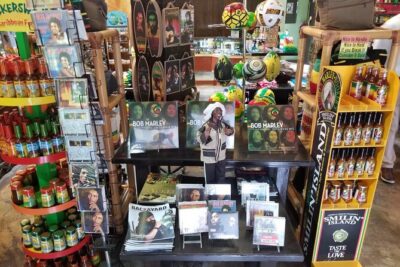
Reggae & Bob Marley Tours, compared.
 ★ 5.0Rastafari Cultural ATV Community Experience from Montego BayFrom $1641,959 reviews
 ★ 4.0Reggae Catamaran and Snorkeling Open Bar Cruise Montego BayFrom $125453 reviews
 ★ 4.5Bob Marley’s Nine Mile Admission and Guided Tour from Montego BayFrom $135350 reviews
 ★ 5.0Bob Marley Museum Full Day Tour from Montego bayFrom $230124 reviews
 ★ 5.0Jamaica Culture Tour: Culinary, Cultural, History and DanceFrom $94116 reviews
 ★ 4.0Montego Bay Reggae Sunset Catamaran CruiseFrom $12599 reviews
 ★ 3.8Reggae Catamaran 18+ Cruise with Open BarFrom $12587 reviews
 ★ 4.5Riu Reggae/Riu Montego Bay/Riu Palace Private Airport TransferFrom $1648 reviews
Browse the lists this tour appears in